Introduction
Managing personal and business finances effectively can be challenging, particularly when balancing various income sources, expenses, and future financial goals. Recent advancements in artificial intelligence (AI) offer a solution in the form of AI agents in budgeting. These intelligent digital assistants provide a range of capabilities that help users simplify financial planning, enhance savings, and make more strategic financial decisions. In this article, we’ll dive into how AI agents in budgeting work, the benefits they bring, and what to expect in the future of finance management.
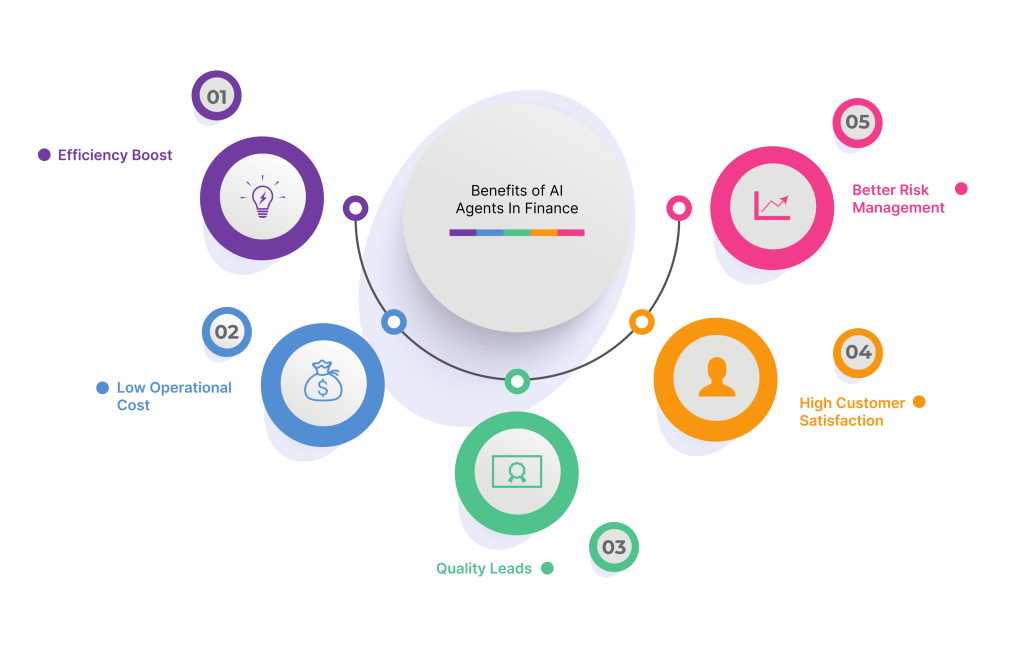
What Are AI Agents in Budgeting?
AI agents in budgeting are intelligent software programs that use artificial intelligence to help users create and manage financial plans. These agents analyze spending patterns, forecast future expenses, and suggest personalized budgeting strategies. Unlike traditional budgeting tools that rely on manual input, AI agents utilize machine learning algorithms to continuously learn from user data and adjust budgets in real time, providing a seamless budgeting experience.
AI-driven budgeting tools operate across various platforms, from mobile apps to web-based dashboards. They integrate with bank accounts, credit cards, and investment portfolios to offer a comprehensive view of finances. Through this integration, users can track their spending, set saving goals, and receive notifications for potential overspending, all with minimal effort.
How Do AI Agents in Budgeting Work?
AI agents in budgeting utilize machine learning, natural language processing, and data analytics to support personalized financial planning. Here’s a look at how these technologies power AI-driven budgeting:
- Data Collection and Analysis
AI budgeting tools link to users’ financial accounts, pulling transaction data from bank statements, credit cards, and other sources. This data is then analyzed to identify spending trends, categorize expenses, and provide insights into daily financial habits. The AI can even track patterns that would be difficult for a human to recognize, such as subtle seasonal changes in spending. - Pattern Recognition and Forecasting
By examining a user’s spending habits over time, AI agents identify patterns and predict future expenses. For example, if a user tends to spend more on utilities during the winter, the AI can suggest adjusting the budget in advance. This level of forecasting can help users avoid financial strain by making budgeting decisions proactively. - Personalized Financial Advice
Based on analyzed data, AI budgeting agents offer customized tips to optimize financial habits. Suggestions might include adjusting spending in specific categories, setting up automatic transfers to a savings account, or identifying opportunities to reduce debt. This personalization ensures that each user receives relevant advice tailored to their unique financial situation. - Real-Time Adjustments
Traditional budgeting often requires manual adjustments when unexpected expenses occur. AI agents in budgeting, however, make real-time adjustments based on changing financial circumstances. If a sudden expense arises, the AI can recalibrate the budget, suggesting areas where spending could be reduced to accommodate the new expense.
Benefits of Using AI Agents in Budgeting
AI agents in budgeting bring numerous advantages that make financial management simpler and more effective. Here are some key benefits:
- Enhanced Accuracy and Detail: Since AI budgeting tools continuously gather and analyze data, they provide an accurate, up-to-date snapshot of a user’s finances. Unlike manual methods that may overlook certain expenses, AI agents meticulously record and categorize every transaction.
- Automated Savings Suggestions: Many AI budgeting agents can identify opportunities for users to save without requiring major lifestyle changes. For instance, if the AI detects a lower-cost option for a recurring bill or identifies discretionary spending that can be minimized, it suggests those adjustments to help users save more effortlessly.
- Goal-Oriented Financial Planning: Users can set specific financial goals, such as saving for a vacation, paying off a loan, or building an emergency fund. AI agents in budgeting keep users on track by showing progress toward these goals, offering suggestions to improve saving rates, and notifying users when they deviate from their planned budget.
- Time Savings and Convenience: AI-driven budgeting agents minimize the time and effort needed to manage finances. With automated data analysis and budget adjustments, users don’t have to spend hours categorizing expenses or calculating spending limits. Instead, they can focus on making strategic decisions based on the AI’s insights.
Challenges and Limitations of AI Agents in Budgeting
While AI agents in budgeting offer a range of benefits, they come with certain limitations that users should consider:
- Privacy and Security Concerns: Financial data is highly sensitive, and many users have concerns about sharing personal financial information with AI-driven tools. Ensuring that data remains private and secure is critical, and users should only consider AI budgeting tools with strong encryption and data protection policies.
- Potential for Over-Reliance: Relying heavily on AI agents may reduce users’ engagement with their own finances, potentially leading to a lack of understanding or control over their money. AI budgeting tools are most effective when used as a supplement to conscious financial planning rather than as a replacement.
- Room for Improvement in Complex Financial Scenarios: Current AI budgeting agents are highly effective at tracking routine expenses but may struggle with complex financial situations, such as managing business expenses or handling unusual financial circumstances. This may limit their usefulness for users with diverse or complex financial needs.
The Future of AI Agents in Budgeting
The role of AI agents in budgeting will continue to evolve as technology advances. Here are a few trends that will likely shape the future of AI-driven budgeting:
- Improved Personalization: As AI agents gather more data over time, they will become better equipped to deliver highly customized financial advice. Future AI budgeting tools may incorporate advanced algorithms to account for individual preferences and goals, providing a deeply personalized budgeting experience.
- Integration with Other Financial Services: Future AI budgeting agents may offer seamless integration with additional financial services, such as investment platforms, retirement planning tools, and insurance providers. This integration would enable users to view their complete financial picture, from daily expenses to long-term investments, within a single platform.
- Enhanced Predictive Analytics: With advancements in machine learning, future AI agents in budgeting will likely become more accurate at predicting financial trends, enabling users to plan for potential expenses even more effectively. Improved predictive analytics could help users anticipate lifestyle changes or economic shifts that might affect their financial plans.
Conclusion
AI agents in budgeting offer a powerful and convenient solution for managing personal and business finances. By automating data analysis, tracking spending habits, and providing personalized advice, these intelligent tools are transforming how users approach budgeting. Despite some limitations, AI agents in budgeting represent a promising technology that simplifies financial planning and encourages responsible money management. As AI technology advances, these budgeting tools will become even more integrated, personalized, and insightful, helping users achieve their financial goals with greater ease.
 FinTech blogs
Leave a comment