In recent years, AI agents have started to play a significant role in the legal field, particularly in contract drafting and review. The integration of artificial intelligence (AI) into legal workflows has transformed how contracts are created, analyzed, and managed. These AI agents streamline complex processes, reduce human errors, and enhance efficiency in contract management. In this article, we will explore the role of AI agents in contract drafting and review, highlighting their benefits, challenges, and future potential in the legal sector.
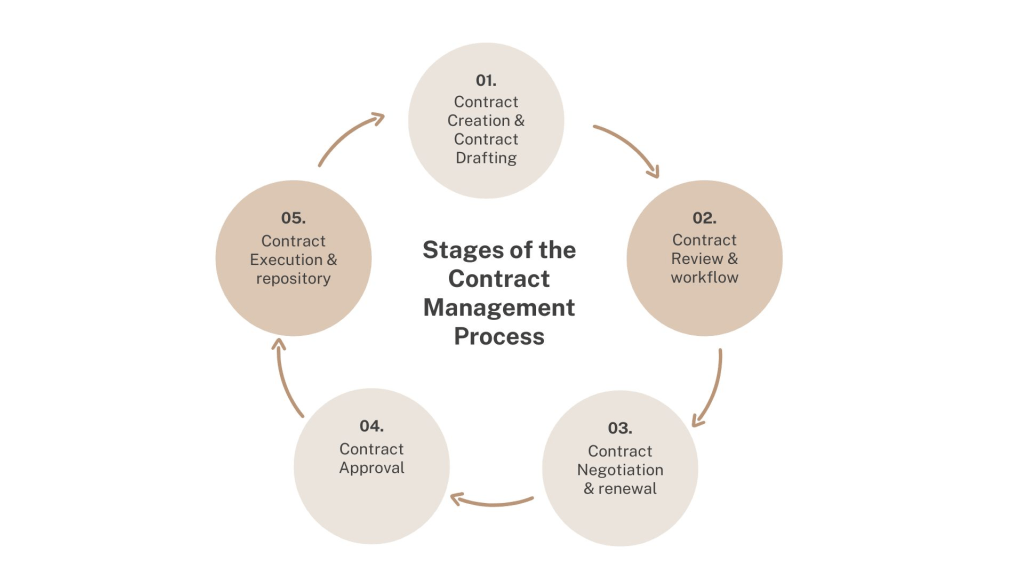
Understanding AI Agents in Contract Drafting and Review
AI agents in contract drafting and review refer to software programs powered by artificial intelligence technologies, such as machine learning and natural language processing (NLP). These agents are designed to assist legal professionals by automating tasks related to drafting, reviewing, and analyzing contracts. The primary goal of using AI agents is to improve efficiency, accuracy, and consistency in the legal processes associated with contracts.
In contract drafting, AI agents can suggest language, identify missing clauses, and ensure that the terms comply with relevant regulations. For contract review, AI agents are capable of scanning documents to identify risks, inconsistencies, or unfavorable terms. They also offer recommendations on how to amend or improve the contract to minimize potential legal issues. By automating these time-consuming tasks, AI agents allow legal professionals to focus on more strategic aspects of their work.
Benefits of AI Agents in Contract Drafting and Review
AI agents in contract drafting and review offer a wide range of advantages, particularly when it comes to saving time, reducing costs, and enhancing accuracy. Let’s dive into some of the key benefits.
1. Speed and Efficiency
One of the most significant benefits of AI agents in contract drafting and review is the speed at which they can process contracts. Manual contract drafting and review can be time-consuming, especially when dealing with large and complex agreements. AI agents, however, can analyze contracts in a fraction of the time it would take a human, allowing legal teams to handle more contracts in less time. This increased efficiency helps firms meet deadlines and handle a larger volume of work.
2. Improved Accuracy
AI agents are designed to reduce the risk of human error in contract drafting and review. Legal professionals often face challenges when reviewing long, complicated contracts, where they may overlook important clauses or miss subtle discrepancies. AI agents, on the other hand, can automatically scan contracts for potential issues, such as missing provisions, contradictory statements, or unclear terms. By flagging these issues early in the process, AI agents can help legal teams correct problems before they become major legal concerns.
3. Cost Savings
By automating repetitive tasks, AI agents help reduce the time and resources required to draft and review contracts. Legal teams can reduce the need for manual labor, allowing firms to operate more cost-effectively. For companies and law firms handling high volumes of contracts, AI agents can significantly lower the costs associated with contract management, making the legal services more accessible and affordable.
4. Consistency
AI agents can ensure consistency across multiple contracts. They can apply predefined templates and legal standards to ensure that each contract meets the same level of quality and legal requirements. This reduces the variability that often arises when different lawyers or paralegals are tasked with drafting or reviewing contracts. By providing consistent results, AI agents help maintain a high standard of legal work, ensuring that every contract aligns with the organization’s goals and legal obligations.
Challenges and Limitations of AI Agents in Contract Drafting and Review
While AI agents offer numerous benefits, there are also challenges and limitations to their use in contract drafting and review. Legal professionals need to be aware of these limitations to ensure AI is effectively integrated into their workflows.
1. Limited Understanding of Complex Legal Context
AI agents are highly effective in identifying patterns and analyzing data, but they still struggle to understand the full context of complex legal situations. While AI can flag errors and inconsistencies in contract language, it may not fully grasp the nuances of specific legal scenarios, such as the implications of certain clauses in different jurisdictions or industries. Legal professionals must still review the contract for broader strategic considerations, as AI agents may not always provide the depth of insight needed for more complicated cases.
2. Dependence on Quality Data
AI agents rely on large datasets to train and improve their performance. The accuracy of AI-driven contract drafting and review depends on the quality and quantity of the data used to train the models. If the data is incomplete or inaccurate, the AI’s performance may be compromised. Therefore, it is crucial for firms to ensure that they feed high-quality, representative data into the AI system to achieve optimal results.
3. Ethical and Legal Concerns
The integration of AI agents in legal work raises concerns regarding data privacy, security, and ethics. AI agents handle sensitive legal data, and any vulnerabilities in their systems could potentially lead to data breaches. Additionally, the use of AI in decision-making processes may raise questions about accountability and transparency, especially if AI systems make recommendations that affect a client’s legal standing. Legal professionals must ensure that they maintain control over AI-driven processes and that they comply with data protection laws and ethical standards.
The Future of AI Agents in Contract Drafting and Review
As technology continues to advance, the role of AI agents in contract drafting and review is expected to grow. AI agents will become increasingly sophisticated, enabling them to handle more complex contracts and legal scenarios. In the future, AI could even assist in negotiating contracts by analyzing historical contract data and suggesting the most favorable terms for all parties involved.
Furthermore, as legal professionals become more familiar with AI tools, the collaboration between human expertise and AI capabilities will strengthen. AI agents will not replace human lawyers but will instead serve as valuable tools to enhance their work. The combination of AI’s speed and accuracy with human judgment and legal expertise will create a more efficient, cost-effective, and reliable approach to contract drafting and review.
Conclusion
AI agents in contract drafting and review are changing the way legal professionals work. By automating time-consuming tasks, these agents improve efficiency, accuracy, and consistency while reducing costs. While challenges remain, the potential of AI to transform the legal industry is undeniable. As AI technology continues to evolve, the future of contract drafting and review will be shaped by a more seamless integration of human expertise and AI-driven solutions, creating a more dynamic and effective legal landscape.
 FinTech blogs
Leave a comment