Artificial intelligence has become an essential part of modern life, offering innovative solutions to solve complex problems and improve efficiency. One of the most exciting developments in this field is the rise of AI agents. These intelligent systems act autonomously, perform tasks, and learn from their interactions to deliver better outcomes over time. Whether used in business, healthcare, or everyday life, AI agents are reshaping how we work, live, and interact with technology.
What Are AI Agents?
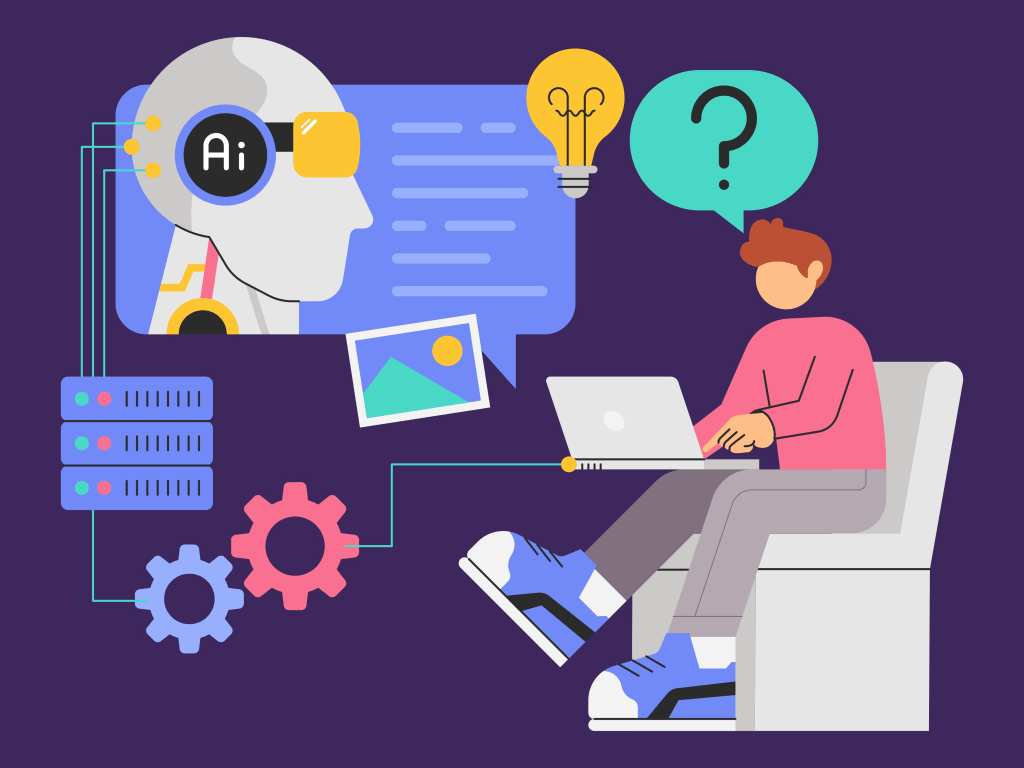
AI agents are advanced software systems that can act independently to achieve specific goals. They process data, make decisions, and execute tasks without requiring constant human intervention. These agents rely on technologies like machine learning, natural language processing, and deep learning to adapt to changing environments and deliver accurate results.
An AI agent operates within an environment, senses inputs, and takes actions to meet its objectives. This ability to act autonomously makes AI agents highly versatile and suitable for a wide range of applications.
Types of AI Agents
1. Simple Reflex Agents
These agents respond to specific conditions with predefined actions. For example, a thermostat adjusts the temperature based on room conditions. While basic, they are effective in controlled environments.
2. Model-Based Agents
Model-based agents use internal models to understand their environment and predict outcomes. They take action by analyzing past data and planning for future steps.
3. Learning Agents
Learning agents improve their performance over time through continuous feedback. They learn from experiences and adjust their behavior to achieve better results.
4. Multi-Agent Systems
In complex environments, multiple AI agents work together to solve problems. These systems collaborate, share data, and make joint decisions for better outcomes.
How AI Agents Work
AI agents rely on three main components to function effectively:
- Perception: AI agents collect data from their environment using sensors, text, or other inputs.
- Decision-Making: After analyzing the collected data, AI agents make informed decisions using machine learning algorithms.
- Action: Based on their decisions, AI agents perform actions to achieve their defined goals.
Through continuous feedback and learning, AI agents enhance their ability to complete tasks, improve accuracy, and adapt to new challenges.
Applications of AI Agents
1. Customer Support Automation
AI agents are transforming customer support by providing quick and accurate responses. Chatbots, for instance, assist customers in resolving inquiries, handling complaints, and processing requests. This reduces response time and enhances customer satisfaction.
2. Healthcare Assistance
In healthcare, AI agents support doctors and medical staff by analyzing patient data, predicting illnesses, and recommending treatment plans. AI agents can also monitor patients in real time, ensuring timely medical intervention.
3. Financial Services
AI agents are widely used in finance to automate tasks like fraud detection, risk assessment, and portfolio management. These systems analyze vast amounts of data to identify trends, ensuring accuracy and improving decision-making.
4. Process Automation
Organizations leverage AI agents to automate repetitive tasks like data entry, scheduling, and workflow optimization. By handling routine processes, AI agents free up human resources for more strategic activities.
5. Smart Homes
In smart homes, AI agents control devices like thermostats, lighting systems, and security systems. They adapt to user preferences, improve energy efficiency, and provide a seamless living experience.
Benefits of AI Agents
1. Increased Efficiency
AI agents streamline operations by automating processes and reducing manual effort. This improves productivity and allows businesses to focus on growth.
2. Enhanced Accuracy
By analyzing vast amounts of data, AI agents minimize errors and ensure precise decision-making. This is especially valuable in critical sectors like finance and healthcare.
3. Cost Savings
AI agents reduce operational costs by eliminating the need for human intervention in routine tasks. Businesses can achieve significant savings over time.
4. Scalability
AI agents can handle increasing workloads without compromising performance, making them ideal for growing businesses and organizations.
5. Continuous Improvement
AI agents learn and improve through feedback, enhancing their performance over time and delivering better results with each interaction.
Future of AI Agents
The role of AI agents will continue to expand as technology evolves. Future developments may include:
- Advanced Personal Assistants: AI agents will become more intuitive, helping individuals manage daily tasks effortlessly.
- Collaborative AI Systems: AI agents will work seamlessly with humans to enhance teamwork and decision-making.
- Industry-Specific Solutions: Tailored AI agents will address unique challenges in fields like education, manufacturing, and agriculture.
Conclusion
AI agents are revolutionizing the way we approach tasks, decision-making, and problem-solving across industries. By automating processes, improving accuracy, and delivering cost savings, they offer unparalleled benefits for businesses and individuals alike. As these systems continue to evolve, their potential to enhance productivity and innovation will only grow.
 FinTech blogs
Leave a comment