Effective supplier management is essential for businesses to thrive in today’s competitive market. Managing suppliers can be a complex task, involving multiple layers of communication, negotiations, compliance monitoring, and performance evaluations. AI agents for supplier management are transforming how businesses handle these processes, offering solutions that are efficient, accurate, and scalable. This article explores how AI agents for supplier management are reshaping supply chain operations.
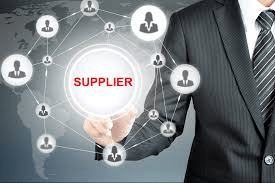
Understanding AI Agents for Supplier Management
AI agents for supplier management refer to automated systems that use artificial intelligence to handle tasks related to sourcing, evaluating, and maintaining supplier relationships. These systems are equipped with capabilities such as machine learning, natural language processing, and predictive analytics to streamline supplier-related operations.
By automating repetitive tasks and providing data-driven insights, AI agents enable businesses to focus on strategic decision-making rather than being bogged down by administrative work.
The Benefits of AI Agents for Supplier Management
Implementing AI agents for supplier management offers numerous advantages that can significantly impact business operations:
1. Enhanced Supplier Selection
Choosing the right supplier is a critical decision that affects quality, cost, and timelines. AI agents analyze historical data, market trends, and supplier performance metrics to recommend the best options. By considering a wide array of factors, these systems ensure businesses partner with suppliers that align with their goals.
2. Real-Time Monitoring
One of the most valuable features of AI agents for supplier management is their ability to provide real-time updates. Whether it’s tracking shipment statuses or monitoring compliance with contractual terms, AI agents keep businesses informed at all times, minimizing risks and delays.
3. Predictive Analytics
AI-powered predictive analytics enable businesses to anticipate potential issues in their supply chain. For example, AI agents can forecast delays based on weather patterns or geopolitical events, allowing companies to adjust their strategies proactively.
4. Cost Optimization
AI agents analyze cost data and identify areas where savings can be achieved. From negotiating better contract terms to optimizing order quantities, these tools ensure businesses maintain a balance between cost-efficiency and quality.
5. Improved Communication
With natural language processing capabilities, AI agents for supplier management facilitate clear and effective communication. They can automate routine correspondence, translate languages, and even mediate disputes, fostering stronger supplier relationships.
Key Features of AI Agents for Supplier Management
AI agents for supplier management come equipped with a variety of features tailored to meet the diverse needs of businesses. Some of the most prominent functionalities include:
Automated Onboarding
The onboarding process for new suppliers often involves extensive paperwork and multiple rounds of communication. AI agents streamline this process by automating document verification, compliance checks, and initial communication, saving time and reducing errors.
Performance Tracking
Regularly evaluating supplier performance is crucial for maintaining quality standards. AI agents collect and analyze performance metrics, such as delivery times, defect rates, and adherence to agreements, providing businesses with a comprehensive overview.
Risk Management
Supplier risks can arise from various factors, including financial instability, regulatory non-compliance, or operational disruptions. AI agents continuously assess and flag potential risks, allowing companies to mitigate them before they escalate.
Integration with ERP Systems
Modern AI agents for supplier management are designed to integrate seamlessly with enterprise resource planning (ERP) systems. This ensures that all supplier-related data is centralized, improving accessibility and decision-making.
How AI Agents Are Transforming Supplier Relationships
AI agents are not just tools for task automation; they play a significant role in building stronger supplier relationships. Here’s how:
- Personalization: AI agents can tailor interactions based on supplier preferences, making communications more relevant and engaging.
- Transparency: By providing real-time updates and clear data insights, AI agents foster trust and accountability.
- Proactive Engagement: With predictive analytics, AI agents help businesses address potential issues before they affect supplier relationships, demonstrating a commitment to collaboration.
Challenges in Adopting AI Agents for Supplier Management
While the benefits are compelling, adopting AI agents for supplier management is not without its challenges. Companies may face obstacles such as:
- High Initial Costs: The implementation of AI systems often requires a significant upfront investment.
- Data Quality Issues: Poor data quality can hinder the effectiveness of AI agents, emphasizing the need for robust data management practices.
- Resistance to Change: Employees and suppliers may be hesitant to adapt to new technologies, necessitating proper training and communication.
Best Practices for Implementing AI Agents for Supplier Management
To maximize the benefits of AI agents, businesses should follow these best practices:
- Start Small: Begin with a pilot project to assess the system’s effectiveness and identify areas for improvement.
- Ensure Data Integrity: Maintain accurate and comprehensive data to enable AI agents to deliver reliable insights.
- Provide Training: Equip employees and suppliers with the knowledge they need to use AI tools effectively.
- Evaluate ROI: Regularly assess the return on investment to ensure that the system aligns with business objectives.
The Future of AI Agents in Supplier Management
As technology continues to evolve, AI agents for supplier management are expected to become even more advanced. Emerging trends include:
- Enhanced Predictive Capabilities: More accurate forecasting models to anticipate supply chain disruptions.
- Increased Automation: Expanded functionalities to handle more complex tasks without human intervention.
- Global Integration: AI agents that can seamlessly manage suppliers across multiple regions and languages.
Conclusion
AI agents for supplier management are revolutionizing the way businesses approach their supply chains. By automating tasks, providing real-time insights, and enhancing decision-making, these systems empower companies to operate more efficiently and effectively. As adoption rates increase and technology advances, AI agents are set to become indispensable tools in the realm of supplier management.
 FinTech blogs
Leave a comment