In an era where agility and precision define business success, organizations are turning to innovative tools to bridge the gap between strategic planning and real-world execution. One of the most impactful of these tools is AI for plan-to-results — a modern solution that enhances every stage of the planning lifecycle, helping businesses deliver outcomes faster, with fewer errors and less friction.
What is AI for Plan-to-Results?
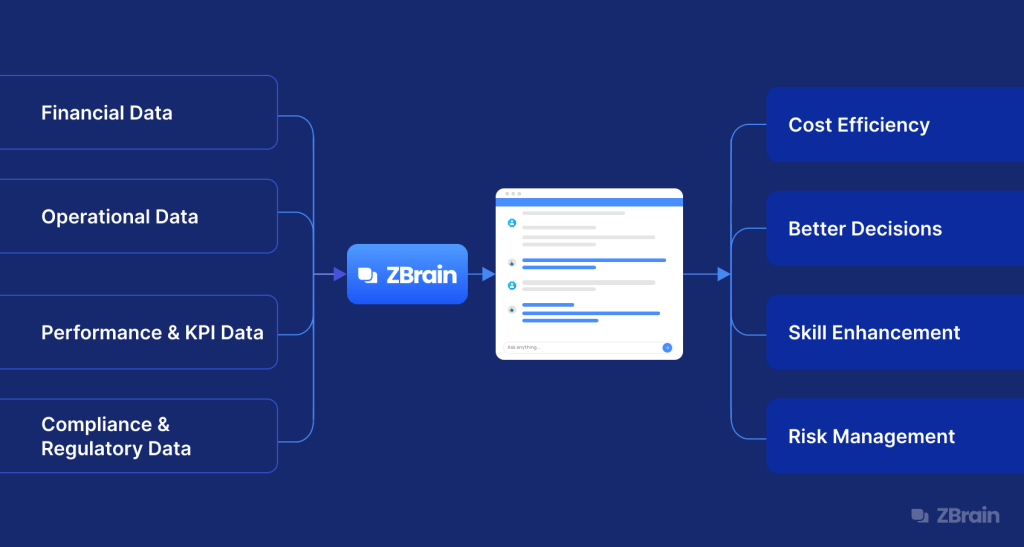
AI for plan-to-results refers to the integration of artificial intelligence into business planning and execution cycles. It’s about using smart algorithms and data insights to connect strategy with action — reducing delays, improving clarity, and ensuring alignment across teams and departments.
This approach enables organizations to automate planning tasks, predict outcomes, make real-time adjustments, and continuously improve processes. The result is a tighter feedback loop between goals and outcomes, with far less manual effort required to keep things on track.
Simplifying Workflow Management
One of the most obvious benefits of using AI in this context is workflow simplification. Managing complex projects often involves juggling multiple tools, tracking progress manually, and constantly following up with team members. AI for plan-to-results eliminates much of that hassle by automating routine steps and optimizing task flows based on data.
AI can intelligently assign responsibilities, adjust priorities, send reminders, and even forecast project completion times — all without constant human intervention. This not only saves time but also reduces the chance of human error, creating a more reliable and scalable workflow system.
Smarter, Data-Driven Planning
Planning is no longer just about experience or intuition. With AI in the mix, planning becomes more data-driven and dynamic. Algorithms can analyze historical data, market trends, and real-time performance metrics to generate accurate forecasts and strategic recommendations.
Using AI for plan-to-results, decision-makers gain deeper visibility into potential risks, resource needs, and performance gaps — even before execution begins. This helps teams prepare better, act faster, and pivot sooner when needed.
Real-Time Execution Monitoring
One of the biggest challenges in execution is keeping plans on track once they’re in motion. AI tools provide continuous visibility into project progress, identifying delays, budget overruns, or resourcing issues before they escalate.
By integrating real-time monitoring into workflows, AI for plan-to-results helps managers make quick, informed decisions. Whether it’s reallocating resources, rescheduling tasks, or flagging risks, AI enables teams to respond proactively rather than reactively — saving time, money, and reputation.
Customization That Fits Every Team
Every team operates differently — and that’s where AI really shines. It learns from how your teams work and adapts to their preferences. For instance, it might recommend the most efficient sequence of tasks, suggest who should tackle specific assignments based on past performance, or identify productivity patterns across departments.
This level of customization ensures that workflows aren’t just efficient — they’re also intuitive. With AI for plan-to-results, your systems evolve in real time to support how your people actually work, not the other way around.
Better Communication and Seamless Collaboration
Clear communication is essential, especially in fast-moving projects with multiple stakeholders. AI can help streamline team interactions by automating updates, summarizing meetings, and generating smart action items.
By leveraging AI for plan-to-results, teams can avoid confusion, reduce unnecessary meetings, and keep everyone aligned on goals and timelines. It becomes easier to track who’s doing what, when, and why — making collaboration effortless and productive.
Tracking Results and Learning from Experience
Beyond planning and execution, AI adds tremendous value when it comes to performance analysis. It can track results against KPIs, analyze outcomes, and uncover patterns that humans might miss.
Even better, AI for plan-to-results continuously learns and improves. The more data it gathers from each project cycle, the better it becomes at optimizing future workflows. This creates a culture of constant improvement, where every completed project makes the next one smoother and smarter.
Moving from Reactive to Proactive Operations
In many organizations, workflows are still reactive — teams respond to issues after they arise. AI changes that by enabling a proactive approach. It anticipates needs, highlights upcoming risks, and recommends preventive actions before problems surface.
That shift from reactive to proactive is a huge leap in operational maturity, and it’s made possible through AI for plan-to-results. Businesses that make this transition are more resilient, more agile, and ultimately more successful.
Final Thoughts: Why AI for Plan-to-Results Matters Now
The future of work demands smarter systems that can adapt, learn, and deliver with precision. AI for plan-to-results offers a clear path forward — empowering organizations to streamline their workflows, reduce manual workload, and deliver consistent, high-quality results.
Whether you’re managing small projects or overseeing enterprise-scale initiatives, incorporating AI into your planning and execution framework can give you a strategic edge. It’s not just about doing things faster — it’s about doing them better, every step of the way.
 FinTech blogs
Leave a comment