In today’s fast-moving digital era, managing complex workflows efficiently is critical for businesses aiming to stay ahead. Traditional workflow models often lack the adaptability needed to meet dynamic demands. This is where multi agent systems come into play. Supported by advanced multi agent frameworks, these systems are transforming how organizations design, operate, and optimize their workflows. In this article, we explore how multi agent systems make managing workflows easier, more efficient, and highly adaptable.
What are Multi Agent Systems?
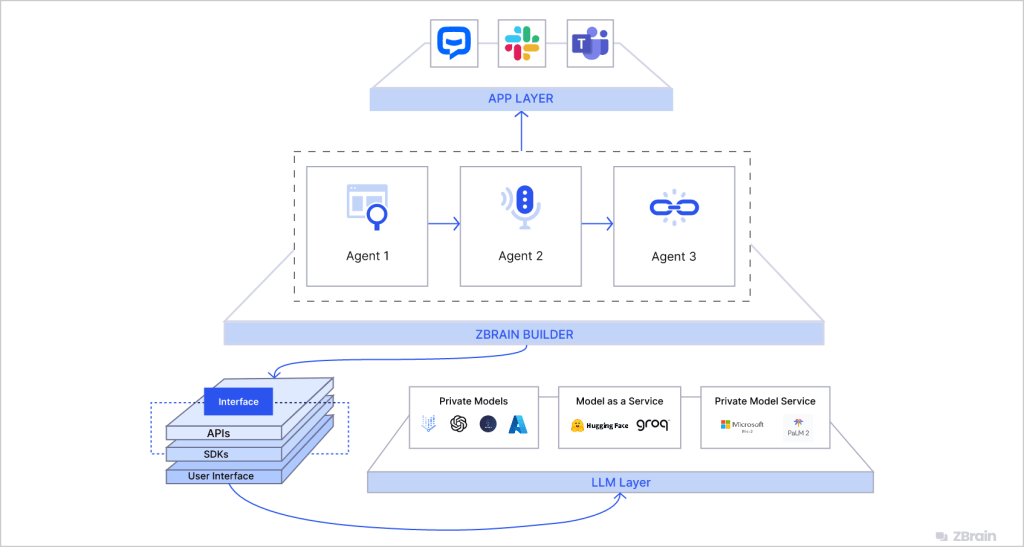
Multi agent systems (MAS) are networks of autonomous agents that interact within a shared environment to achieve both individual and collective objectives. Each agent operates independently, making its own decisions, while also collaborating with other agents as needed. By mirroring how human teams function, MAS offer a powerful model for solving complex, large-scale problems.
The true power of a multi agent framework lies in its ability to offer modularity and flexibility. By distributing tasks across multiple specialized agents, organizations can build systems that are scalable, efficient, and capable of adapting to constant change. In today’s rapidly evolving markets, this flexibility is more important than ever.
Essential Features of Multi Agent Frameworks
A multi agent framework provides the architecture, tools, and protocols necessary to create and manage multi agent systems. Leading frameworks such as JADE, SPADE, and MASON deliver ready-to-deploy functionalities that accelerate development while reducing complexity. These frameworks typically offer support for agent communication, task delegation, and behavior modeling.
Thanks to their modular design, multi agent frameworks allow new agents to be added or updated without disrupting the entire system. This seamless integration, combined with built-in features like decentralized control and fault tolerance, makes multi agent frameworks ideal for building reliable and scalable workflows.
Why Multi Agent Systems Make Workflows More Efficient
The biggest advantage of multi agent systems is their ability to reshape workflow management. Traditional workflows often rely on centralized control, leading to bottlenecks and inefficiencies. In contrast, MAS introduce decentralized, flexible workflows that are capable of adapting in real-time.
Within a multi agent system, each agent independently assesses its environment, makes decisions, and coordinates with others to achieve overarching goals. This removes the delays often caused by centralized decision-making and speeds up operations significantly. For example, in supply chain management, agents representing suppliers, logistics partners, and retailers can autonomously negotiate and coordinate activities, avoiding the delays typically caused by centralized processing.
Moreover, a well-constructed multi agent framework allows businesses to easily update or modify workflows. Adding a new process or adapting to unforeseen events becomes as simple as introducing a new agent or reprogramming an existing one. This dynamic capability makes MAS especially valuable in industries where responsiveness and flexibility are critical, such as logistics, healthcare, and financial services.
Practical Applications of Multi Agent Systems in Workflow Management
Several industries are already leveraging multi agent systems to enhance their workflow management. In manufacturing, MAS coordinate production lines, adjusting dynamically to equipment maintenance needs, supply chain disruptions, or fluctuating demand. In the healthcare sector, multi agent systems streamline patient care, diagnostics, and treatment workflows, leading to more personalized and effective healthcare solutions.
In the field of information technology, MAS are being deployed to automate software development processes. Agents autonomously handle testing, integration, deployment, and monitoring, reducing human error and shortening development cycles. Thanks to strong multi agent frameworks, these systems are not only efficient but also highly resilient and capable of recovering from failures with minimal human intervention.
Challenges and Future Directions for Multi Agent Systems
Despite their many advantages, implementing multi agent systems does come with challenges. Issues such as designing effective communication between agents, ensuring security, and maintaining synchronization in fast-changing environments require careful planning. However, ongoing advancements in AI, distributed computing, and network technologies are continuously overcoming these hurdles.
Looking to the future, it’s clear that multi agent systems will play a central role in workflow automation. As multi agent frameworks continue to evolve, they will become even more accessible, enabling businesses of all sizes to benefit. The integration of MAS with IoT, cloud computing, and blockchain technologies promises to unlock even greater potential, paving the way for fully autonomous, intelligent workflow ecosystems.
Conclusion
Multi agent systems, built using powerful multi agent frameworks, represent a new era in workflow management. By decentralizing processes, promoting flexibility, and enabling autonomous operations, MAS make workflows more efficient, resilient, and adaptive to change. As digital transformation accelerates across industries, adopting multi agent systems will be crucial for businesses aiming to maintain a competitive edge.
If your organization is looking for a smarter, more flexible approach to workflow management, now is the perfect time to explore the possibilities offered by multi agent systems and modern multi agent frameworks.
 FinTech blogs
Leave a comment