Predictive maintenance has always been the gold standard in industries reliant on heavy machinery and equipment. The ability to predict failures before they occur saves time, money, and resources. With the advent of Artificial Intelligence (AI), predictive maintenance has taken a significant leap forward, providing unprecedented accuracy and efficiency. This article explores how AI in predictive maintenance is transforming industries, its benefits, and practical applications.
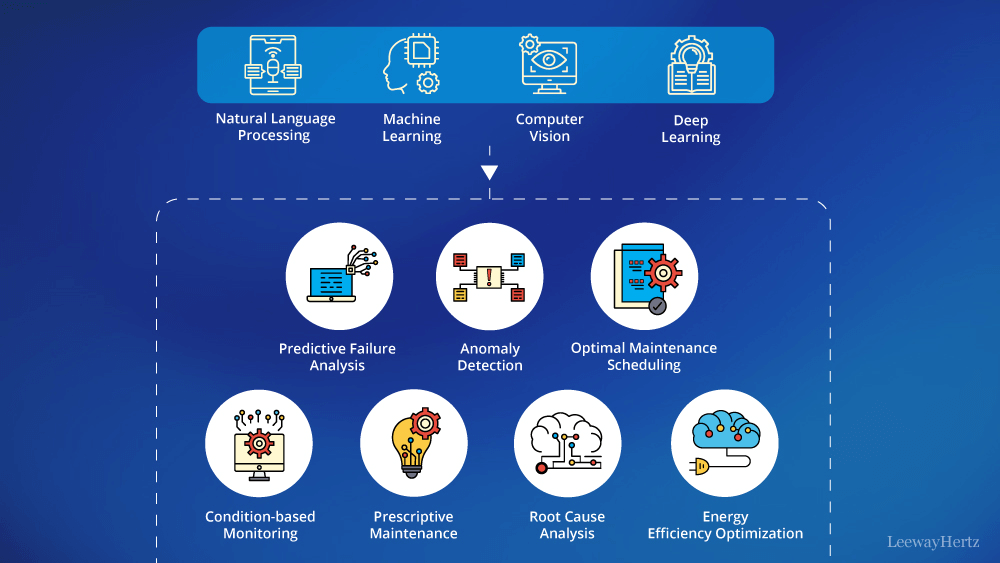
The Evolution of Predictive Maintenance
Predictive maintenance aims to predict when equipment will fail so maintenance can be performed just in time to prevent failure. Traditionally, this relied on historical data and regular inspections. While effective, it had limitations in precision and efficiency. The introduction of AI in predictive maintenance has revolutionized this approach by enabling real-time data analysis, continuous monitoring, and more accurate predictions.
How AI Enhances Predictive Maintenance
AI leverages machine learning algorithms, neural networks, and data analytics to enhance predictive maintenance. Here are the key ways AI contributes:
- Real-Time Data Processing:
AI systems process vast amounts of data from sensors embedded in machinery. This real-time data analysis enables immediate detection of anomalies and potential issues that might go unnoticed with periodic inspections. - Pattern Recognition:
Machine learning algorithms excel at recognizing patterns in data. AI can identify subtle signs of wear and tear or other indicators of potential failure long before they become critical. - Anomaly Detection:
AI systems can detect anomalies that are outside the norm, even if they are not yet indicative of failure. This early warning allows for preventive measures, minimizing downtime. - Predictive Analytics:
AI uses predictive analytics to forecast future failures based on historical and real-time data. These predictions help in planning maintenance schedules more effectively, reducing unexpected breakdowns.
Benefits of AI in Predictive Maintenance
The integration of AI in predictive maintenance offers numerous benefits that significantly enhance operational efficiency and cost-effectiveness:
- Reduced Downtime:
By predicting failures before they happen, AI helps in scheduling maintenance during non-peak hours, reducing unplanned downtime. - Cost Savings:
Preventing unexpected failures reduces repair costs and extends the lifespan of equipment. AI-driven maintenance schedules optimize resource allocation and reduce unnecessary maintenance activities. - Increased Equipment Lifespan:
Regular and timely maintenance, guided by AI predictions, ensures that machinery operates at peak efficiency, thereby extending its operational life. - Enhanced Safety:
Predictive maintenance minimizes the risk of equipment failure, which can lead to accidents. Ensuring equipment is always in good working condition enhances overall workplace safety.
Real-World Applications of AI in Predictive Maintenance
AI-driven predictive maintenance is making significant impacts across various industries:
- Manufacturing:
In manufacturing, machinery downtime can halt production lines, leading to substantial losses. AI monitors equipment health in real-time, predicting failures and scheduling maintenance during off-hours to keep production running smoothly. - Aviation:
Aircraft maintenance is critical for safety and efficiency. AI systems analyze data from multiple sensors on the aircraft to predict potential issues. This proactive approach reduces the risk of in-flight failures and ensures aircraft are safe and ready for operation. - Energy Sector:
Power plants and wind farms benefit from AI in predictive maintenance by continuously monitoring turbines, generators, and other critical components. Predicting failures in advance prevents power outages and enhances the reliability of the energy supply. - Automotive Industry:
AI helps automotive manufacturers monitor the health of production robots and assembly line equipment. Predictive maintenance ensures minimal downtime and optimizes production schedules. - Railways:
AI analyzes data from tracks, trains, and signaling equipment to predict and prevent failures. This enhances safety and reduces delays, ensuring a reliable railway service.
Challenges and Future Directions
While AI in predictive maintenance offers numerous benefits, there are challenges to its implementation:
- Data Quality and Quantity:
High-quality data is crucial for accurate predictions. Industries must invest in advanced sensors and data collection methods to ensure reliable data for AI analysis. - Integration with Existing Systems:
Integrating AI with existing maintenance systems and workflows can be complex. Companies must ensure seamless integration to fully leverage AI capabilities. - Skilled Workforce:
A skilled workforce is needed to manage and interpret AI systems. Training and development programs are essential to equip employees with the necessary skills.
Looking ahead, the future of AI in predictive maintenance is promising. Advancements in AI algorithms, sensor technology, and data analytics will further enhance the precision and efficiency of predictive maintenance. As AI continues to evolve, its integration into predictive maintenance will become more widespread, driving industries towards greater reliability, safety, and cost-effectiveness.
Conclusion
AI in predictive maintenance is transforming how industries manage and maintain their equipment. By leveraging real-time data, pattern recognition, and predictive analytics, AI enhances the accuracy and efficiency of maintenance operations. The benefits of reduced downtime, cost savings, increased equipment lifespan, and enhanced safety are driving industries to adopt AI-driven predictive maintenance. As technology advances, AI will continue to revolutionize predictive maintenance, setting new standards for operational efficiency and reliability.


Leave a comment