Generative AI in manufacturing is transforming the industry by enhancing design processes, optimizing production, and driving efficiency. This technology harnesses the power of artificial intelligence to create innovative solutions, streamline workflows, and reduce costs. In this article, we’ll explore how generative AI is reshaping manufacturing, the benefits it offers, and the challenges it presents.
1. What is Generative AI in Manufacturing?
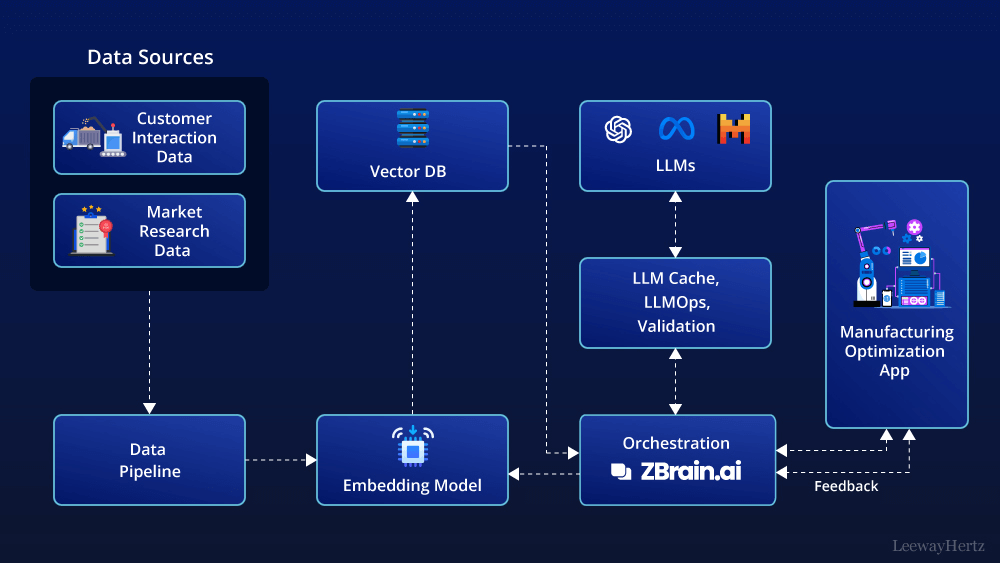
Generative AI in manufacturing refers to the use of advanced algorithms and machine learning techniques to design, test, and optimize products and processes. Unlike traditional methods that rely on human input and experience, generative AI uses data-driven approaches to generate designs and solutions that might not have been conceived otherwise. This technology can quickly explore a vast number of possibilities, selecting the most efficient and innovative outcomes.
For instance, in product design, generative AI can create complex shapes and structures that are both lightweight and strong, which are difficult to achieve with conventional methods. In production, it can optimize layouts and workflows to minimize waste and improve efficiency. The result is a more agile and responsive manufacturing process that can adapt to changing market demands.
2. Applications of Generative AI in Manufacturing
Generative AI in manufacturing has a broad range of applications that enhance both design and production:
a. Product Design and Optimization
Generative AI allows designers to input specific parameters, such as material constraints, weight limits, and performance criteria. The AI then generates multiple design alternatives, each optimized for the specified criteria. This approach not only accelerates the design process but also results in innovative solutions that are often more efficient and cost-effective.
b. Supply Chain Optimization
In manufacturing, managing the supply chain is crucial for ensuring timely delivery of materials and finished goods. Generative AI can analyze large datasets to identify bottlenecks, forecast demand, and optimize inventory levels. By doing so, it reduces downtime and ensures a smooth production flow.
c. Predictive Maintenance
Generative AI in manufacturing also plays a significant role in predictive maintenance. By analyzing data from machinery and equipment, AI can predict when maintenance is needed, reducing the likelihood of unexpected breakdowns. This proactive approach helps manufacturers maintain high levels of productivity and avoid costly downtime.
d. Process Automation and Efficiency
Generative AI can optimize production processes by analyzing every aspect of the manufacturing line. It can suggest improvements in workflows, identify inefficiencies, and even control robots and machinery in real-time. This level of automation not only speeds up production but also improves quality and consistency.
3. Benefits of Generative AI in Manufacturing
The integration of generative AI in manufacturing offers numerous benefits that can significantly impact a company’s bottom line:
a. Enhanced Innovation
Generative AI fosters innovation by allowing manufacturers to explore a wider array of design possibilities. This leads to the development of unique products that stand out in the market and meet specific customer needs more effectively.
b. Cost Reduction
By optimizing designs and processes, generative AI can significantly reduce material usage and production costs. Additionally, predictive maintenance minimizes downtime, further cutting operational expenses.
c. Faster Time-to-Market
With generative AI, the design and prototyping phases are significantly accelerated. This allows manufacturers to bring products to market faster, gaining a competitive edge and responding more swiftly to consumer demands.
d. Improved Sustainability
Generative AI helps manufacturers reduce waste by optimizing material usage and energy consumption. This not only cuts costs but also aligns with the growing demand for sustainable and environmentally friendly manufacturing practices.
4. Challenges and Considerations
While generative AI in manufacturing offers numerous advantages, it also presents certain challenges:
a. Data Quality and Availability
Generative AI relies on vast amounts of high-quality data to function effectively. Poor data quality or a lack of data can hinder the AI’s ability to generate accurate and useful outputs. Manufacturers need to ensure they have robust data management practices in place.
b. Integration with Existing Systems
Integrating generative AI with existing manufacturing systems can be complex and costly. It requires careful planning and investment in new technologies, as well as training for employees to effectively use and manage AI-driven processes.
c. Security Concerns
As with any technology that relies heavily on data, generative AI in manufacturing is vulnerable to cybersecurity threats. Manufacturers must invest in strong security measures to protect their data and systems from potential attacks.
5. The Future of Generative AI in Manufacturing
The future of generative AI in manufacturing is promising, with ongoing advancements expected to further revolutionize the industry. As AI algorithms continue to improve, we can anticipate even more sophisticated design capabilities, greater levels of automation, and enhanced predictive analytics.
Manufacturers that adopt generative AI early stand to gain a significant competitive advantage. By leveraging AI-driven insights, they can continually innovate, reduce costs, and improve overall efficiency. As the technology evolves, generative AI in manufacturing will become a cornerstone of modern production, driving the industry towards a more efficient, sustainable, and innovative future.
In conclusion, generative AI in manufacturing is not just a trend but a transformative force that is reshaping the way products are designed and made. Its ability to enhance creativity, optimize processes, and reduce costs makes it a valuable tool for manufacturers looking to stay ahead in a rapidly changing market.
 FinTech blogs
Leave a comment