Introduction
In the fast-paced world of technology, the rise of large language models (LLMs) has transformed various industries, paving the way for innovative applications. This article delves into the future of LLM application development, highlighting key trends, challenges, and opportunities that will shape intelligent solutions.
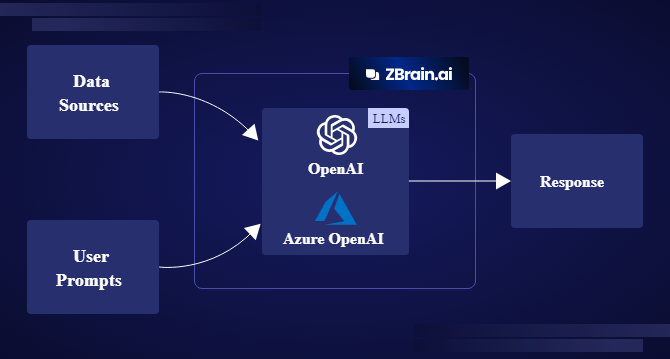
Understanding LLM Application Development
LLM application development involves the creation of applications powered by sophisticated language models that can understand, generate, and interact with human language. These applications range from chatbots and virtual assistants to content generation tools and more. The ability of LLMs to process vast amounts of text and provide contextually relevant responses makes them invaluable in enhancing user experience.
Key Trends in LLM Application Development
- Personalization and Customization
The future of LLM application development will see an increasing emphasis on personalization. By leveraging user data, applications can deliver tailored responses, making interactions more engaging. This trend will lead to the creation of highly specialized applications that cater to individual user needs. - Integration with Other Technologies
As technology continues to evolve, the integration of LLMs with other advanced technologies like machine learning, artificial intelligence, and the Internet of Things will become crucial. This integration will enable applications to perform complex tasks and provide deeper insights, enhancing their functionality. - Ethical Considerations and Accountability
With great power comes great responsibility. As LLMs become more prevalent, ethical considerations in application development will be paramount. Developers must prioritize transparency, bias mitigation, and data privacy to build trust with users and ensure the responsible use of technology.
Challenges in LLM Application Development
While the potential of LLMs is vast, developers face several challenges in their application development process.
- Data Quality and Availability
The effectiveness of LLM applications largely depends on the quality and quantity of training data. Developers must ensure they have access to diverse and high-quality datasets to train models effectively. Poor data can lead to biased or inaccurate responses, undermining user trust. - Scalability and Performance
As applications grow in complexity and user demand increases, ensuring scalability and optimal performance becomes critical. Developers need to design systems that can handle high volumes of requests while maintaining speed and accuracy. - User Acceptance and Adoption
Introducing new technology always comes with a learning curve. For LLM application development, educating users about the capabilities and limitations of these applications will be essential for adoption. Developers should focus on creating intuitive interfaces that make interactions seamless.
The Future of LLM Application Development
Looking ahead, the future of LLM application development is promising. Innovations in natural language processing and advancements in model architecture will continue to enhance application capabilities. We can expect to see a surge in applications that can perform complex reasoning, hold multi-turn conversations, and offer real-time insights.
Conclusion
As we explore the future of LLM application development, it’s clear that this field is on the brink of a paradigm shift. By embracing personalization, integrating advanced technologies, and addressing ethical concerns, developers can create intelligent solutions that significantly improve user experience. The evolution of LLM applications will not only redefine how we interact with technology but also open doors to new opportunities across various industries.


Leave a comment